THE
VISUAL ARTS
IN NUMBERS
In 2023, the Department of Sport, Arts and Culture commissioned Andani.Africa to revisit the visual arts ecosystem in South Africa. Drawing on 720+ surveys and extensive sector analysis, this story highlights key trends, economic data, strengths, challenges and strategic opportunities for growth.

The findings reveal a sector that contributes meaningfully to the national economy and commands growing international attention yet remains fragile, unevenly supported, and inaccessible to many practitioners.
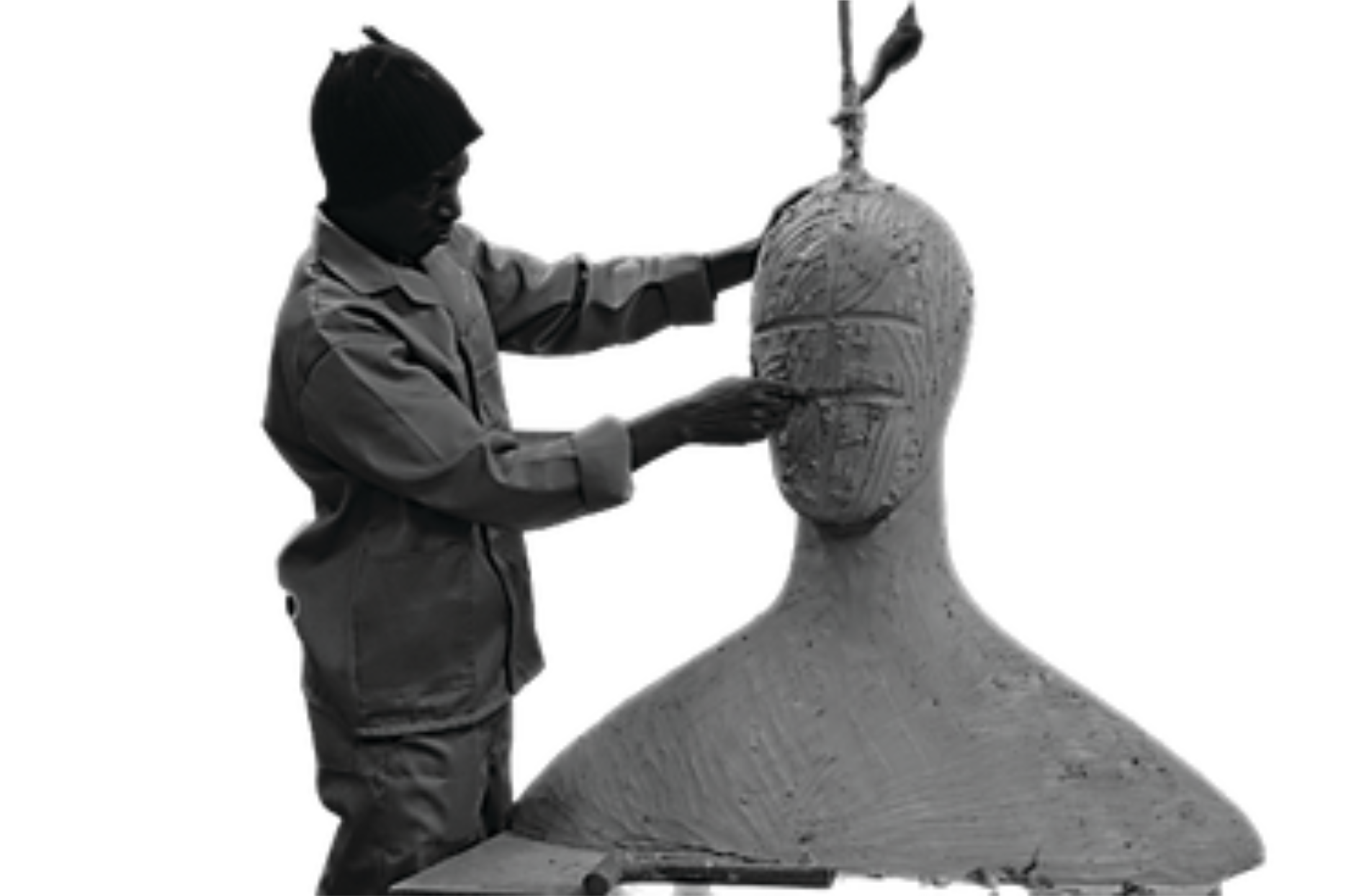
sculpter
gallery owner
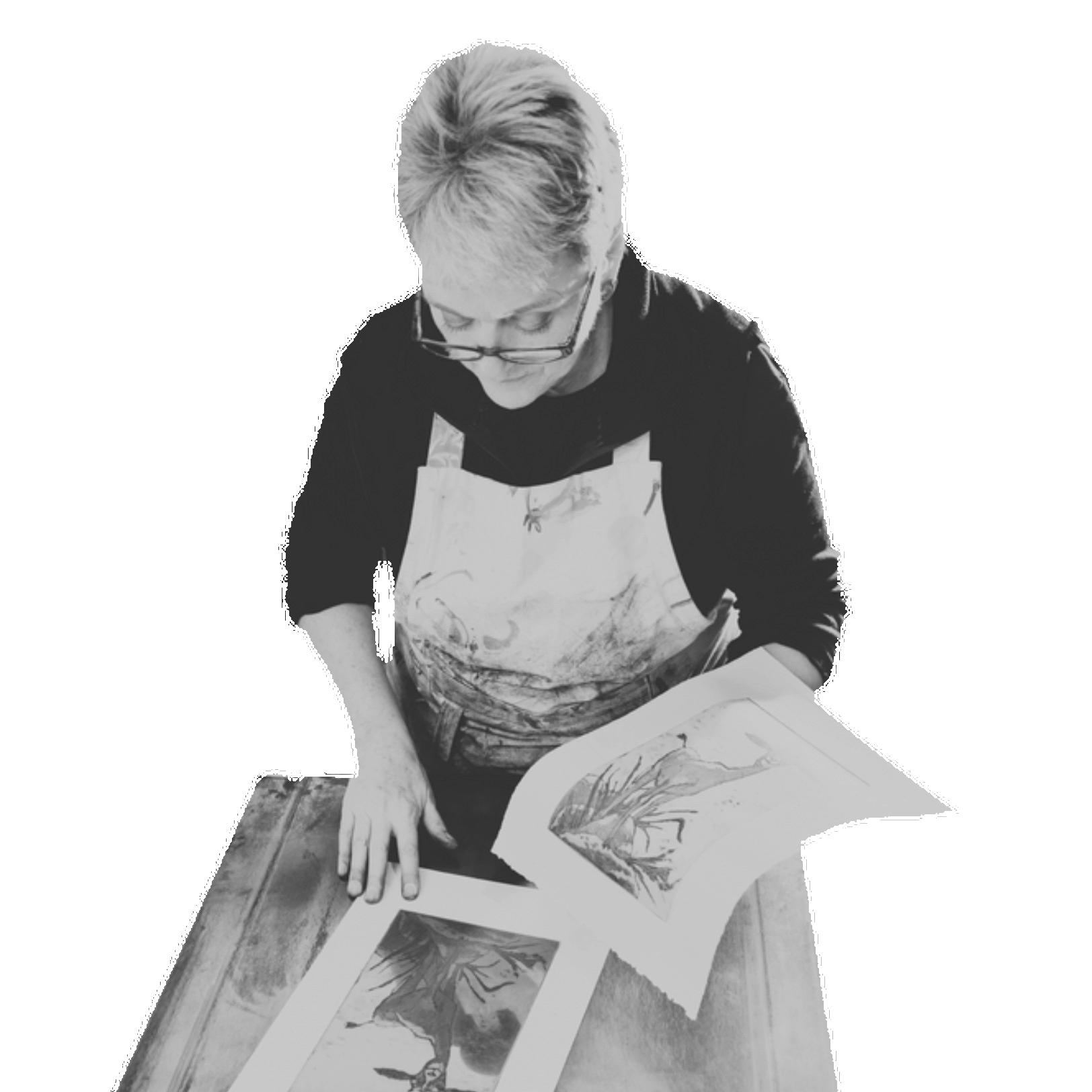
fine artist
curator
arts educator
VIDEOGRAPHER
digital artist
muralist
Since 2009, the turnover in the visual art sector of South Africa has increased by 46.6%.

Every day, at least 21,000 South Africans wake up to make art. Together, they contribute at least R2.6 billion to the economy.

However, 45% of visual artists still spend more on their practice than they earn from it.
This is the story of South Africa’s visual arts sector;
vibrant, transforming yet still under pressure.
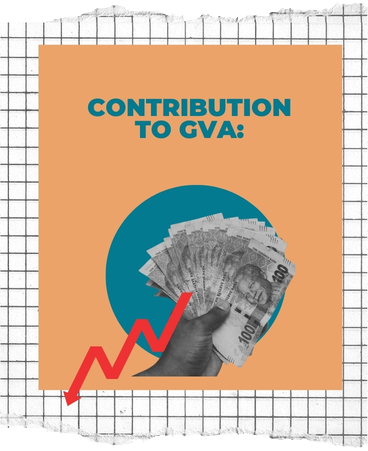
At first glance, the visual arts sector appears to be thriving. However, this growth has not translated into shared value with contribution to Gross Value Added declining slightly; signalling that expansion has not meant income stability for artists.
R5.6bn
R2.6bn
The sector remains heavily shaped by market forces, with a small number of high-value, once-off works sold to a niche buyer base.
Growth in commercial value is highly visible- more value, more exposure, more gallery infrastructure.
On the other hand, non-commercial elements have seen notable decline and this imbalance has created a market that is growing in value, but narrow in reach.
Over the past decade, the sector has undergone a demographic shift.
Today's practioners are young, predominantly Black, with increased participation from females.
This new generation is reshaping what it means to be a visual artist in South Africa, often without the institutional support structures needed to sustain long-term careers.
2010
2024
Despite its vibrancy,
the sector faces persistent
structural challenges.
KEY STRENGTHS
A highly educated practitioner base
A strong pipeline of emerging talent
Growing international recognition
Entrepreneurial adaptability
Strategic use of digital platforms
CHALLENGES
Inconsistent and unpredictable income
Limited public-sector support mechanisms
Declining non-commercial infrastructure
Geographic inequality in access to opportunities
Complex and exclusionary funding systems
The basic education
pipeline remains limited.
77%
42%
Few schools offer arts education and fewer learners see visual arts as a viable career. Talent exists but clear pathways do not.
Public funding mechanisms for visual arts do exist e.g,
Mzanzi Golden Economy,
ArtBankSA,
SETA-linked incentives, and
Provincial funding schemes.
Access to these funding regimes is weak in the visual arts.
81%
of artists have never applied for funding
9%
of the 19% who did apply, only 9% were successful
In the 2022/23 Arts Organisation Support Funding cycle, the National Arts Council funded only one visual arts organisation.

More alignment is needed to improve access, success rates, and impact of available resources.
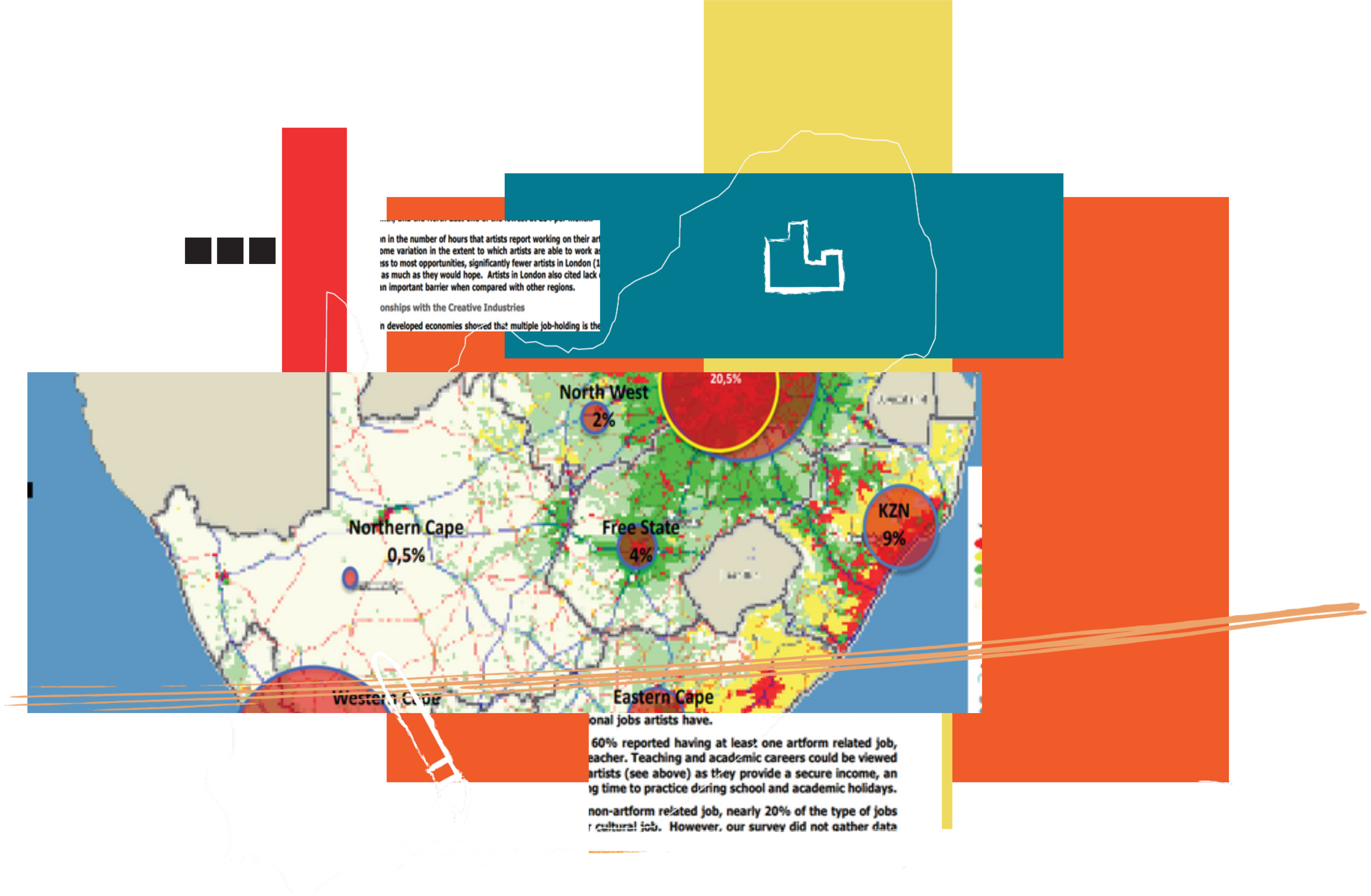
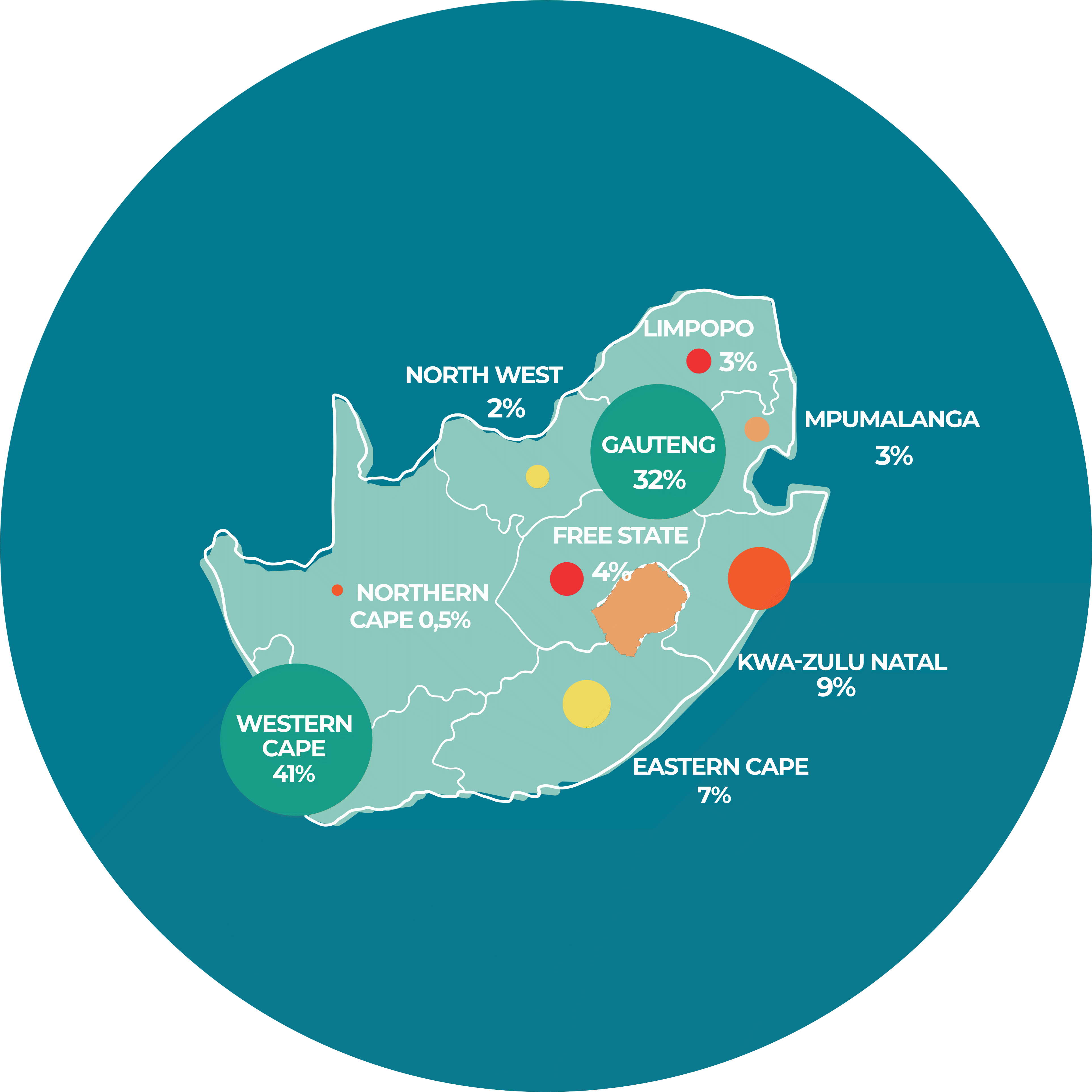
THE STUDY ALSO SHOWED WHERE SOUTH AFRICA'S VISUAL ART INFRASTRUCTURE IS LOCATED.
RECOMMENDATIONS
Andani.Africa’s review outlines several strategic recommendations for sector advancement aimed at DSAC and the broader visual arts ecosystem.
Recommendation 1
Establish a Visual Arts Task Team to create a collaborative advisory structure that ensures sector expertise informs policy development and implementation.
Recommendation 2
Review and revisit the DSAC strategy for international promotion of the visual arts to assess impact, address implementation challenges and ensure alignment with long-term sector development goals.
Recommendation 3
Review and Refocus DSAC programmes for relevance, reach and impact; refocus implementation through stronger, ongoing sector consultation.
Recommendation 4
Strengthen visual arts participation in existing funding and incentive regimes by improving access, providing compliance support, and developing clearer guidance for artists and small organisations.
Recommendation 5
Implement Artist Resale Rights (ARR) to ensure artists benefit financially from the resale of their work through effective and well-designed implementation.
Recommendation 6
Strengthen visual arts representation in DSAC support programmes by ensuring meaningful inclusion in cross-cutting initiatives like Artists in Schools and community arts centre development.
South Africa’s visual arts sector is growing, diverse and dynamic but requires targeted intervention to ensure long-term sustainability and inclusivity.

Continued monitoring, research and cross-sector collaboration will be essential.
To explore more insights, stay connected with Andani.Africa
and follow our work on the future of South Africa’s creative economy.
Fill in the form below to download the report
Thank you! Please click the button below to download.
DOWNLOAD REPORT
Oops! Something went wrong while submitting the form.